Table of Contents
Behind every animal shelter is a team of volunteers who make it possible for each pet to get the time and attention they need every day. Staff members handle medical care, intake, and adoptions, but caring for dozens of animals at once takes all hands on deck.
Volunteers play a critical role by walking dogs, socializing cats, caring for rabbits, washing laundry, and staffing community events. Their help gives animals more one-on-one attention, keeps the shelter running smoothly, and frees up staff to focus on the work only they can do. For anyone who loves animals and wants to help them in a hands-on way, becoming an animal rescue volunteer is one of the most valuable roles you can take on. Here’s a closer look at what the job involves.
Working With Dogs
A dog rescue volunteer spends much of their time keeping dogs active and engaged. Walks are a big part of the job, but dog volunteers also spend time in play yards, run through simple training cues like “sit” and “wait,” and offer enrichment activities such as puzzle feeders, snuffle mats, and frozen treats. These activities keep dogs mentally sharp and give them a healthy outlet for their energy.
Volunteers also take notes on what they observe. If a dog loves fetch, gets along with other dogs, or walks politely past distractions, that information helps the adoption team match them with the right family. Some volunteers even take dogs on outings to parks or local events, which is a fun change of pace for the dog and a great chance to see how they handle new places and people.
Spending Time With Cats
Cats may seem more independent than dogs, but they benefit just as much from regular human interaction. A cat rescue volunteer helps with socialization by sitting quietly in the cat areas, offering play sessions with wand toys, and brushing cats who enjoy being groomed. Over time, volunteers learn to recognize the small signals cats use to communicate, and they use those cues to build trust at each cat’s own pace.
This steady attention helps cats become more comfortable around people, which makes a noticeable difference when potential adopters visit. A cat who greets guests at the front of the room is much easier for a family to connect with. Volunteers also help keep litter boxes clean, refill food and water, and rotate toys so there’s always something new to explore.
Caring for Rabbits and Small Animals
Rabbits and other small animals have their own set of daily needs, and volunteers play a big part in meeting them. Rabbit care includes refreshing hay and water, cleaning litter boxes, and giving bunnies supervised time out of their enclosures to run, hop, and explore. Rabbits are social and curious, and gentle, regular handling helps them stay comfortable with people. That comfort goes a long way when families come in interested in rabbit adoption, since a relaxed bunny is much more likely to show the playful side that wins people over.
Supporting the Shelter Behind the Scenes
Some of the most helpful volunteer work happens away from the animals. Shelters go through a huge amount of laundry, dishes, and supplies every day, and volunteers who take on these tasks keep everything running smoothly. Sorting donations, restocking supplies, bagging dog and cat food for the Pet Pantry, and preparing enrichment items are all helpful day-to-day tasks. Every hour a volunteer spends on these tasks is an hour staff members can put toward medical care, adoption counseling, and time with the animals.
Volunteers with special skills can contribute in other ways, too. Photographers can help capture adoptable pets at their best, writers can help with animal bios, and people with event experience can help plan and staff fundraisers.
Representing the Shelter in the Community
Volunteers are often the first people the public meets at adoption events and fundraisers. At these outreach events, volunteers greet visitors, share information about adoptable animals, and answer questions about the adoption process. It’s a great fit for people who enjoy talking with others, and it helps more families learn about shelter adoption and find ways to support the animals.
Taking Your Volunteering Home Through Fostering & Donation Drives
Volunteering doesn’t have to happen at the shelter. Foster caregivers are critical volunteers who open their homes to animals until they’re ready for adoption. You might foster a kitten who’s still too young to be adopted, a dog who’d enjoy some time in a household setting, or an animal who needs to recover from medical care. If you’ve been searching for ways to volunteer with animals near you, fostering is one of the most meaningful ways to help.
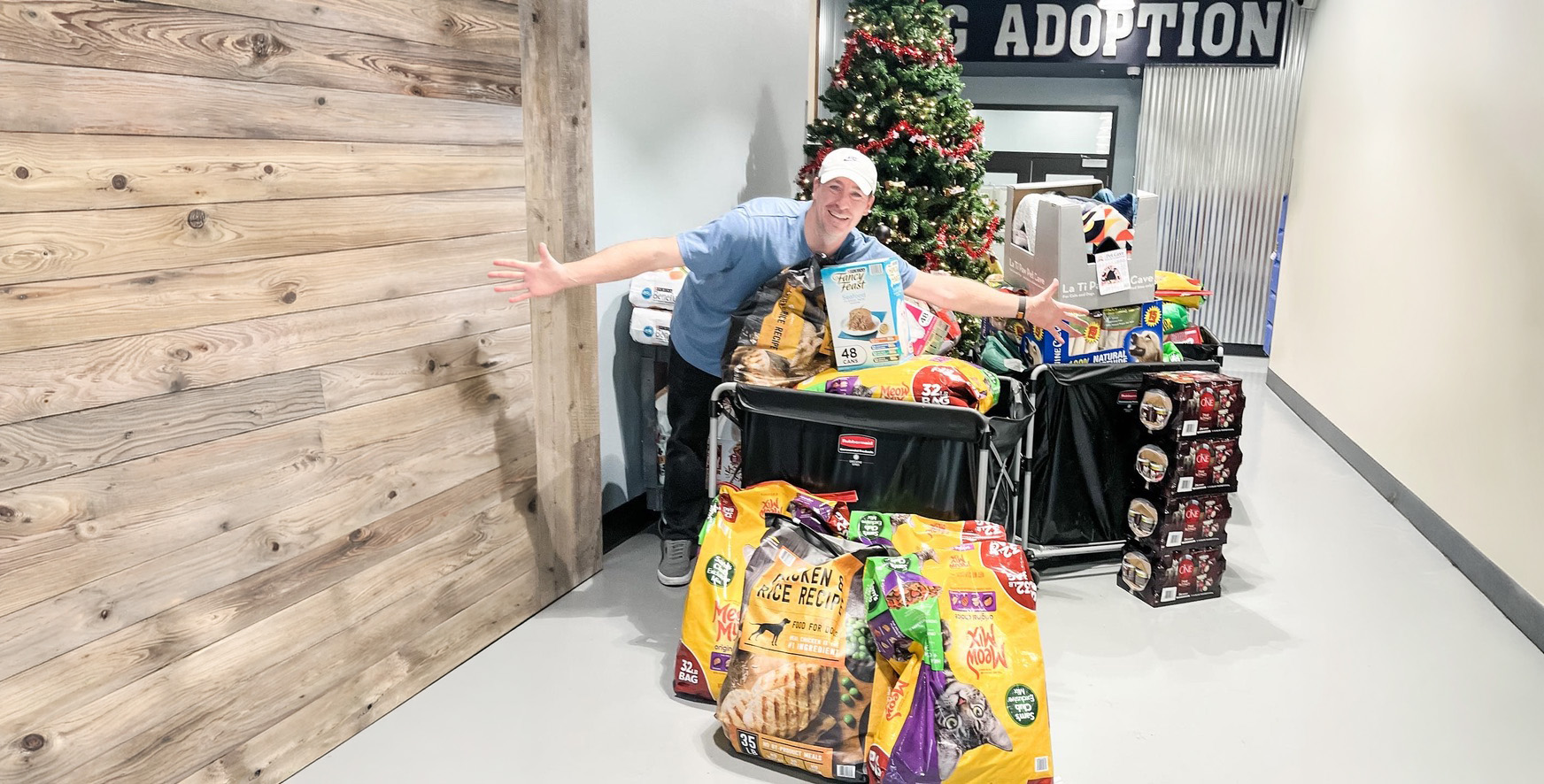
You can also support the shelter by organizing a donation drive with family, friends, or co-workers to collect food and other animal supplies. Turning it into a get-together at home or a friendly office challenge is an easy way to get more people involved. Kids can help, too. Classrooms and sports teams can host bake sales, and families can organize lemonade stands or garage sales to raise money for the animals. These projects teach kids about compassion and responsibility while giving them a hands-on way to make a difference.
Why Volunteering Is Worth Your Time
Volunteers often say their shifts are one of the most rewarding parts of their week. They pick up practical knowledge about animal behavior and care, build friendships with people who share their interests, and get to watch the animals they’ve worked with find loving homes. For many, it’s the kind of commitment that turns into a long-term part of their life.
As Southern Nevada’s original no-kill shelter, Nevada SPCA relies on volunteers to help give every animal the attention and care they deserve while they wait for their families. Whether you have a few hours a month or want a regular weekly shift, there’s a role that fits your schedule and interests. Visit our volunteer page to learn about current opportunities and get started.